Sabor izvornog pjevanja „Nevesinje moje slavno” - veče gange, gusala i narodnog pamćenja

Sabor izvornog pjevanja „Nevesinje moje slavno” biće održan 08.08.2026. u Sportskoj dvorani „Nevesinjka”. Program okuplja pjevačke grupe, kulturno-umjetnička društva i guslare iz Hercegovine, Republike Srpske, Srbije i Crne Gore, u večeri posvećenoj gangi, izvornoj pjesmi i narodnom pamćenju.
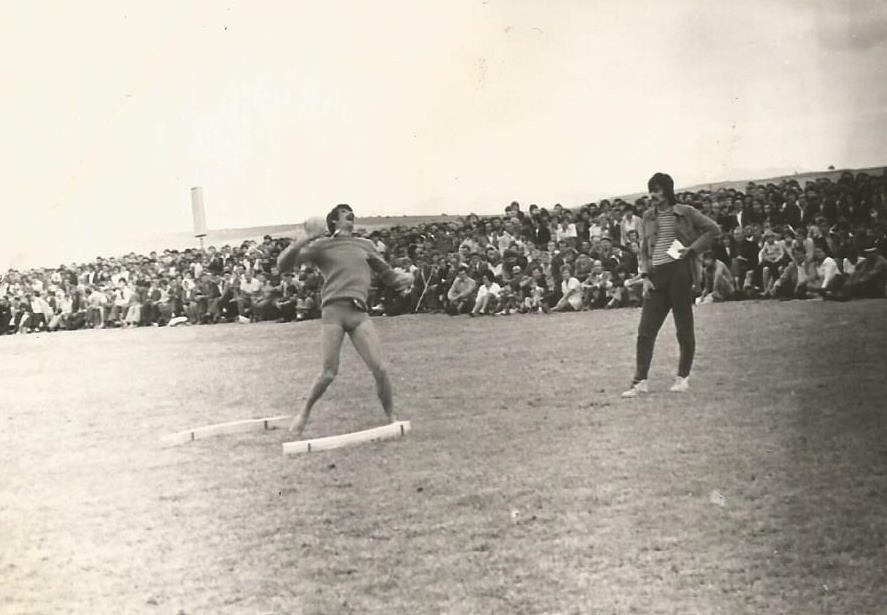
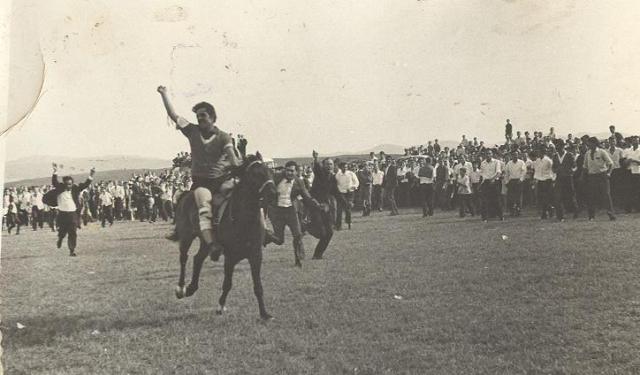
U okviru 151. Nevesinjske olimpijade, 08.08.2026. godine u 18:00 časova, u Sportskoj dvorani „Nevesinjka”, biće održan Sabor izvornog pjevanja „Nevesinje moje slavno”.
Program okuplja pjevačke grupe, kulturno-umjetnička društva i guslare iz Nevesinja, Hercegovine, Republike Srpske, Srbije i Crne Gore. Biće to veče posvećeno gangi, izvornom pjevanju, guslarskoj pjesmi i narodnom stvaralaštvu koje se generacijama prenosilo usmeno — od starijih ka mlađima, od kuće do kuće, od sela do sela.
Pjesma kao narodno pamćenje
Izvorna pjesma u Hercegovini nikada nije bila samo ukras svečanosti. Ona je bila način da se zapamti život.
Pjevalo se o zavičaju, porodici, ljubavi, radu, vjeri, junacima, seobama, ratovima, svadbama, stradanju i radosti. Svako selo, svaki zaselak i svaki kraj imali su svoje napjeve, svoje riječi i svoje pjesme. U njima su ostajala imena znamenitih ljudi, sjećanja na događaje, šaljive dosjetke, poruke mladima i ponos na rodni kraj.
Zato ovakvi sabori imaju mnogo dublji značaj od samog nastupa. Oni čuvaju jedan oblik narodnog pamćenja koji ne živi samo u knjigama, nego u glasu.
Zašto ganga zvuči tako snažno?
Ganga je pjesma koja se ne sluša samo kao melodija. Ona se doživljava kao glas kraja, porodice, sela i zajednice. Zato onome ko je prvi put čuje može zvučati oštro, snažno, neobično ili gotovo sirovo. Ali upravo u toj snazi nalazi se njena posebnost.
Etnomuzikološkinja Ankica Petrović, koja je gangu proučavala kao kulturnu tradiciju dinarskog prostora, ukazuje da se ganga nenaviknutom uhu može učiniti kao neorganizovan zvuk, zbog čega joj se ponekad uskraćuje razumijevanje kao muzičkog oblika. Međutim, za zajednice koje su je stvarale i prenosile, ganga je jedan od najsnažnijih načina izražavanja vlastite kulture i moćan simbol identiteta.
Njena umjetnička snaga nije u uglađenosti, nego u neposrednosti. Ganga ne pokušava da bude blaga i tiha. Ona izlazi iz glasa punom snagom, kao zajednički odgovor ljudi koji pripadaju istom prostoru, istom jeziku i istom pamćenju.
U nekoliko stihova može stati mnogo: šala, ponos, ljubav, opomena, tuga, zavičaj, ime nekog čovjeka ili uspomena na događaj. Zato je ganga često kratka, direktna i pamtljiva. Njena riječ nije slučajna — ona je poruka koja se prenosi dalje.
Sabor izvornog pjevanja zato nije samo nastup pjevačkih grupa. To je prilika da se čuje zvuk identiteta, glas Hercegovine i živo nasljeđe dinarskog prostora — nasljeđe koje se ne može do kraja objasniti riječima, nego se mora doživjeti.
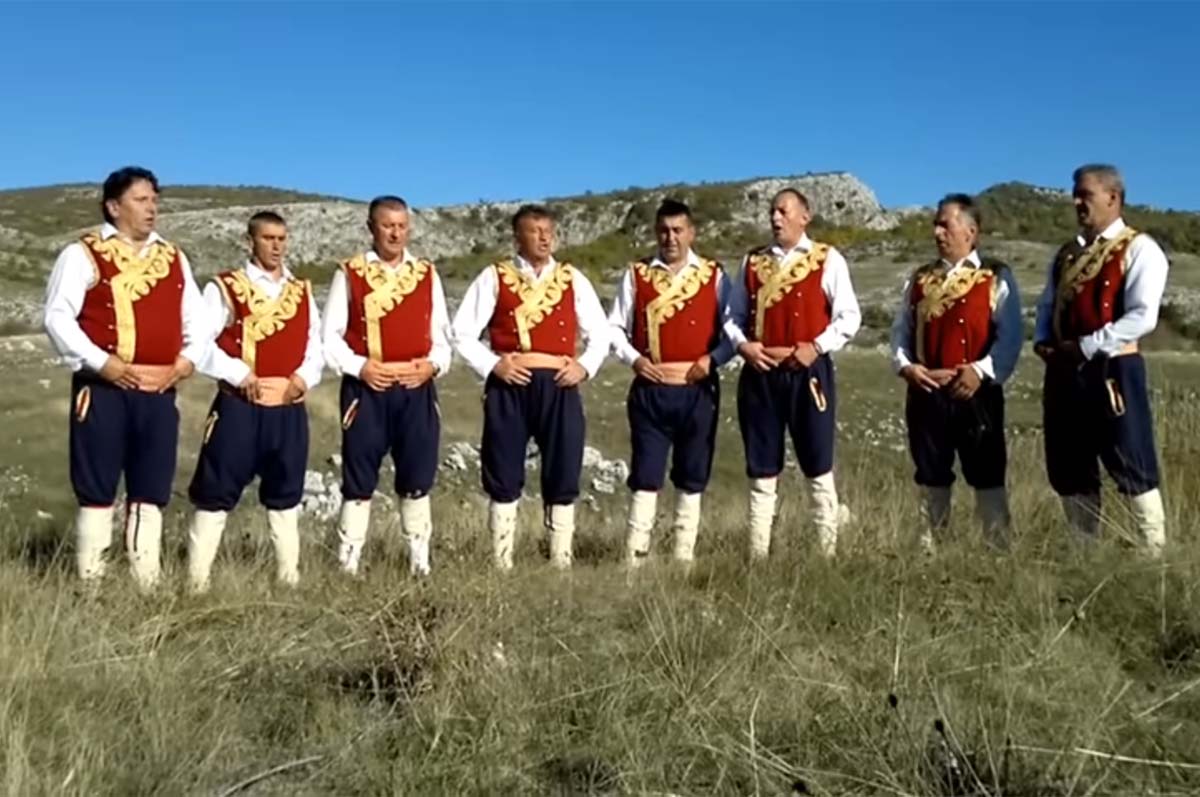
Na Saboru izvornog pjevanja „Nevesinje moje slavno” nastupiće pjevačke grupe, kulturno-umjetnička društva i guslari iz Nevesinja, Hercegovine, Republike Srpske, Srbije i Crne Gore.
MPG KUD „Nevesinje” — Nevesinje
Domaća muška pjevačka grupa iz Nevesinja.
EG „Simonida” — Nevesinje
Etno grupa iz Nevesinja.
MPG „Nevesinjska puška” — Nevesinje
Muška pjevačka grupa iz Nevesinja.
MPG „Zvuci Hercegovine” — Nevesinje
Muška pjevačka grupa iz Nevesinja.
MPG „Jahorina” — Pale
Muška pjevačka grupa sa Pala.
ŽPG „Jahorina” — Pale
Ženska pjevačka grupa sa Pala.
MPG „Sveti Sava” — Orah, Plužine
Muška pjevačka grupa iz Oraha kod Plužina.
ŽPG „Sveti Sava” — Orah, Plužine
Ženska pjevačka grupa iz Oraha kod Plužina.
MPG „Piva” — Plužine
Muška pjevačka grupa iz Plužina.
MPG „Zagorje” — Kalinovik
Muška pjevačka grupa iz Kalinovika.
ŽPG „Planinke” — Pale
Ženska pjevačka grupa sa Pala.
MPG „Sava Vladisavljević” — Gacko
Muška pjevačka grupa iz Gacka.
MPG „Tešan Podrugović” — Gacko
Muška pjevačka grupa iz Gacka.
MPG „Vojvoda Gligor Milićević” — Bileća
Muška pjevačka grupa iz Bileće.
ŽPG „Vojvoda Gligor Milićević” — Bileća
Ženska pjevačka grupa iz Bileće.
MPG „Vojvoda Vlatko Vuković” — Bileća
Muška pjevačka grupa iz Bileće.
ŽPG „Vojvoda Vlatko Vuković” — Bileća
Ženska pjevačka grupa iz Bileće.
MPG „Stara Hercegovina” — Bileća
Muška pjevačka grupa iz Bileće.
MPG „Ljubomir” — Trebinje
Muška pjevačka grupa iz Trebinja.
MPG KUD „Vojkovići”
Muška pjevačka grupa KUD-a „Vojkovići”.
ŽPG KUD „Vojkovići”
Ženska pjevačka grupa KUD-a „Vojkovići”.
SPD „Karađorđe” — Herceg Novi
Srpsko pjevačko društvo iz Herceg Novog.
MPG „Milenko Đukić — Čiko” — Bijeljina
Muška pjevačka grupa iz Bijeljine.
ŽPG „Biseri Ivanjice” — Ivanjica
Ženska pjevačka grupa iz Ivanjice.
U programu učestvuju i kulturno-umjetnička društva KUD „Nevesinje” iz Nevesinja, KUD „Boško Vujadin” iz Istočne Ilidže i KUD „Jovan Dučić” iz Trebinja, kao i guslari Miloš Parović i Miroslav Samardžić.
GOST VEČERI: Ljubiša Vasiljević
Gusle, pjesma i deseterac
Posebno mjesto u programu imaju guslari, jer guslarska pjesma i deseterac čuvaju jedan od najstarijih oblika narodnog pripovijedanja. U epskoj pjesmi nije se samo pjevalo — pričalo se, pamtilo i učilo.
Gusle su bile narodna knjiga prije knjige. Kroz njih su se prenosile priče o junacima, stradanju, časti, vjeri i zavjetu. Kada se uz gangu, bećarac i izvorno višeglasno pjevanje čuju i gusle, dobija se potpunija slika narodnog stvaralaštva.
Budite dio večeri koja čuva istoriju
Dođite da zajedno čujemo glas tradicije — glas koji je opstajao kroz vrijeme i koji vrijedi prenijeti novim generacijama.
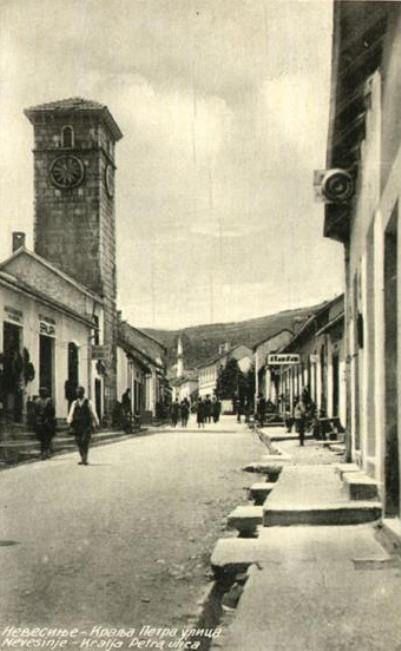
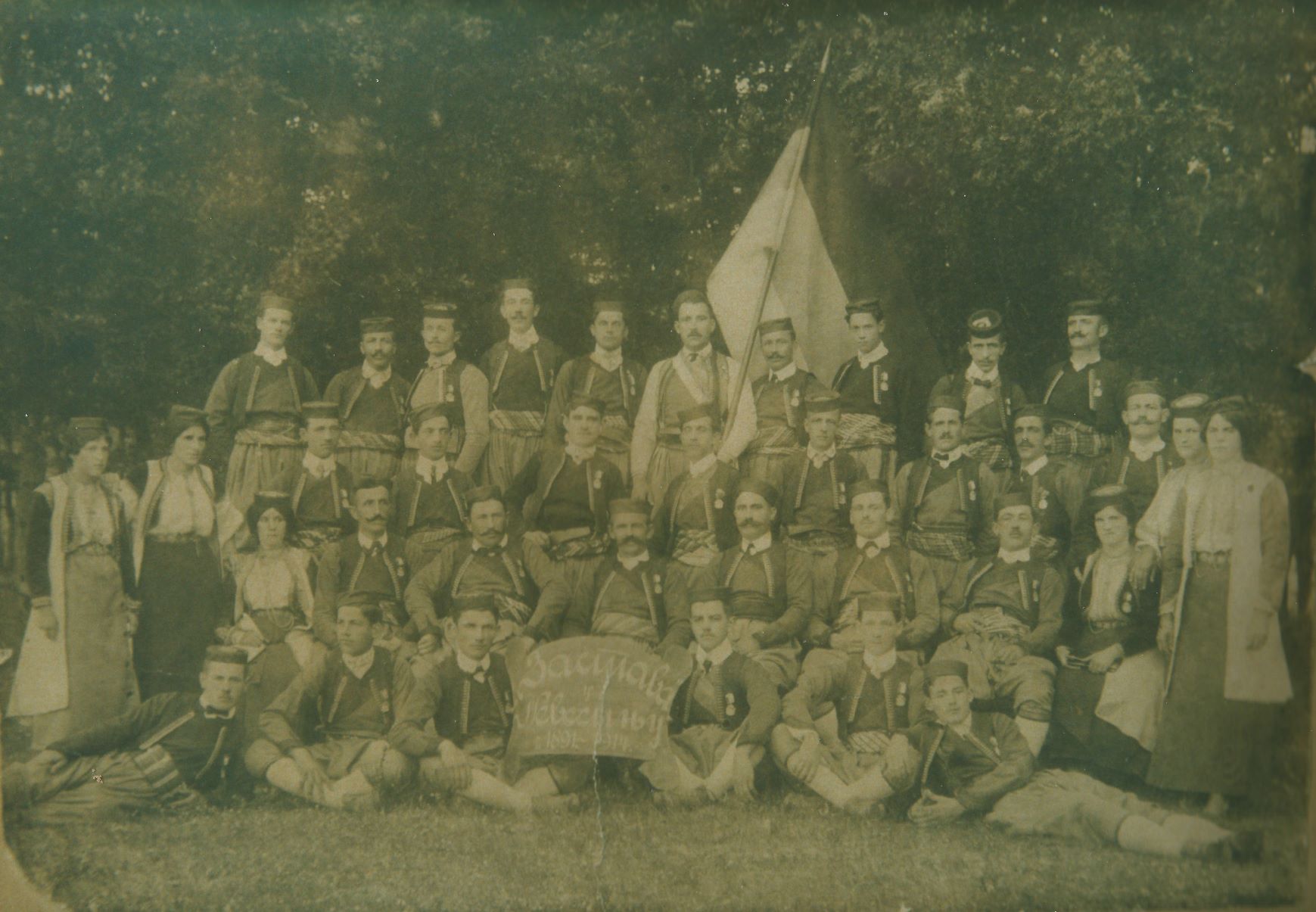
Srpsko pjevačko društvo „Zastava” smatra se pretečom današnjeg kulturno-umjetničkog društva u Nevesinju. Osnovano je 1891. godine. Posebnu zanimljivost predstavlja podatak da je veliki hercegovački pjesnik Aleksa Šantić napisao himnu „Vrela krvca” za nevesinjsku „Zastavu”.
Nakon Drugog svjetskog rata, kulturni rad u Nevesinju obnovljen je i reorganizovan 1948. godine, čime je nastavljena tradicija koju su ranije nosila pjevačka i sokolska društva. Zato današnje učešće KUD-a „Nevesinje” i ostalih pjevačkih grupa na Saboru izvornog pjevanja nije samo nastup, već nastavak jedne duge kulturne priče.