Nevesinje Olympics · History

History of Nevesinjska olimpijada

A story of over 150 years of chivalry, horse racing, folk customs, and sporting spirit in Herzegovina.

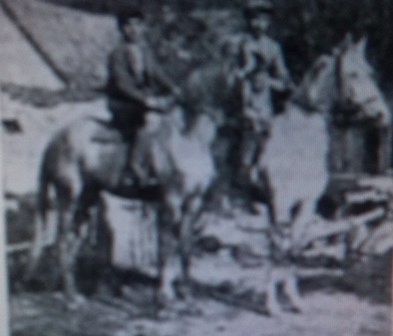
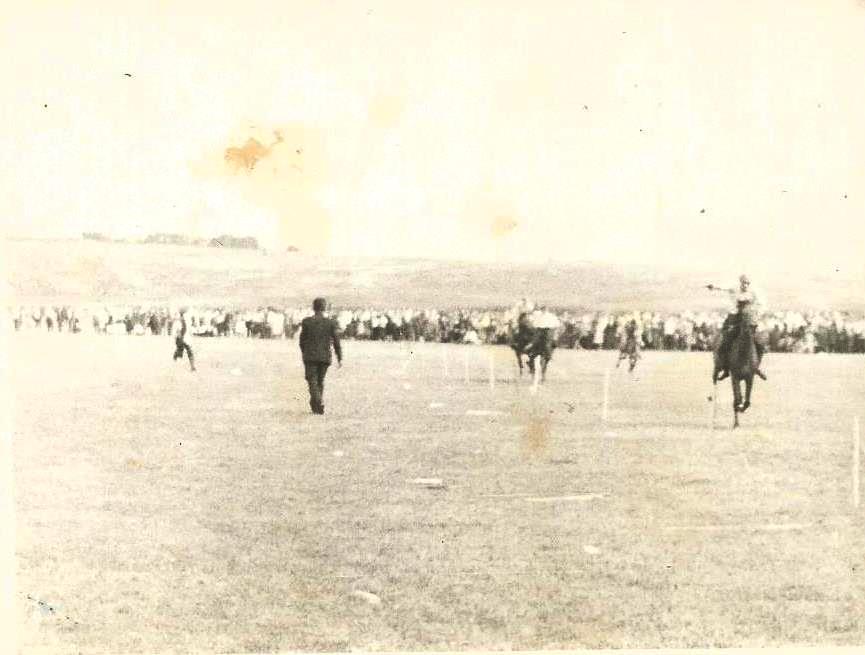
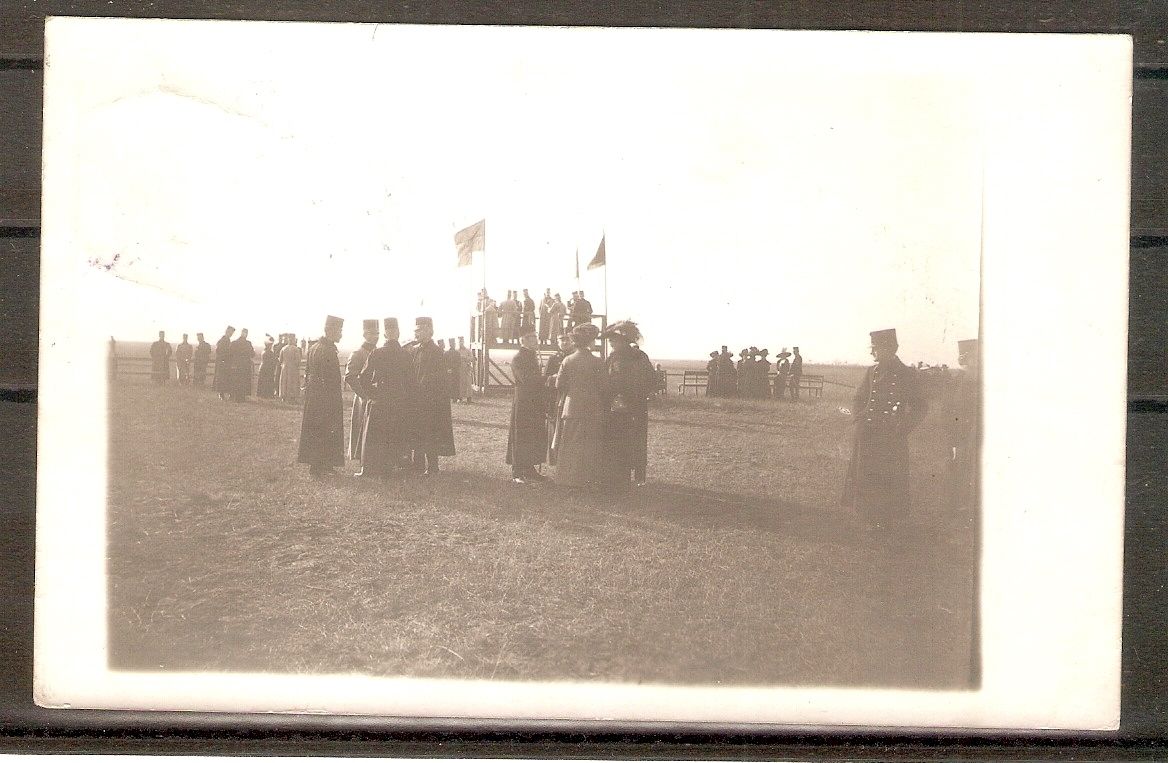
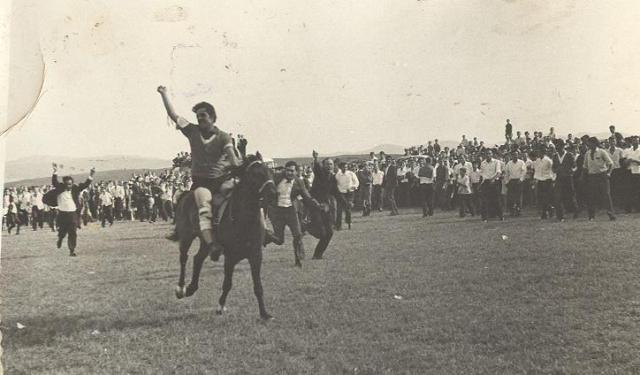
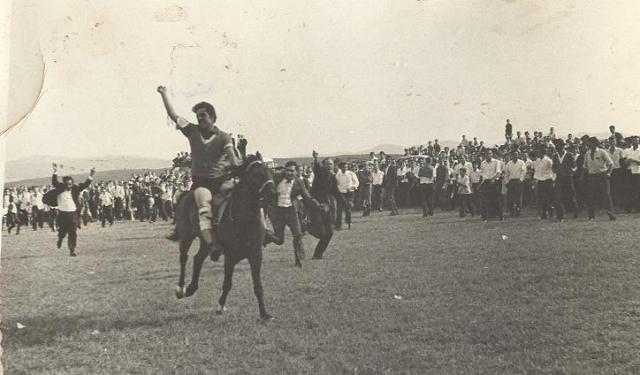
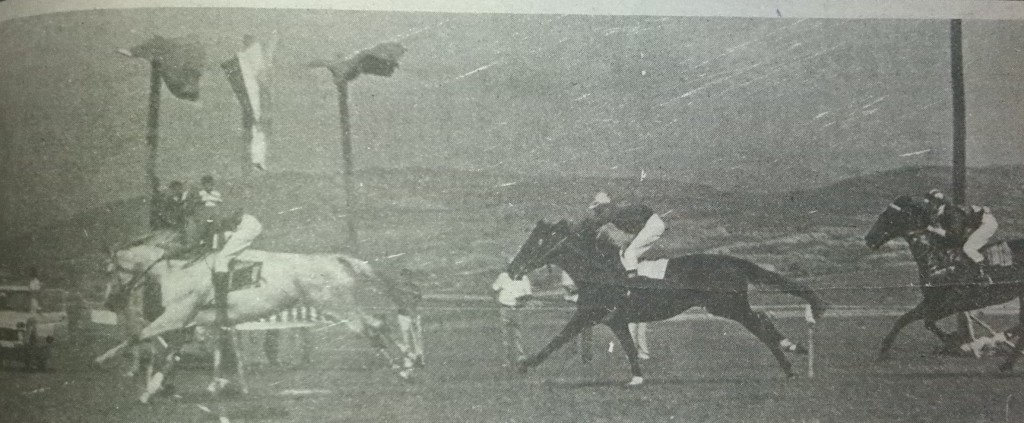
Horse races at Bratački Lug during the Austro-Hungarian monarchy

An event older than the modern Olympic Games

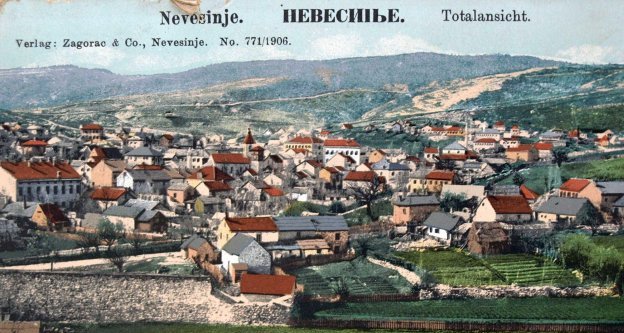
Nevesinjska olimpijada emerged from the natural need of the people to gather, socialize, and compete after strenuous fieldwork. Around the holiday of Velika Gospojina, people from surrounding villages would gather in the vast karst field near Nevesinje to talk about the harvest, customs, daily life, and communal needs.
From these spontaneous gatherings, an event developed that has preserved the spirit of the Herzegovinian people through the centuries — their strength, pride, honor, hospitality, and connection to the horse, land, and tradition. Today, Nevesinjska olimpijada represents a unique blend of history, tradition, sport, culture, and tourism.

Bratački lug — a place where tradition lives

Bratački lug — a place where tradition lives

Bratački lug is not just the location for the central part of the event. It is a natural amphitheater, a historical battleground, and the emotional heart of the Nevesinjska olimpijada. Here, for centuries, competitors, riders, hosts, families, fans, and guests from the entire region have gathered.
In this space, horse races and knightly competitions are not just sporting events, but a living picture of Herzegovina's tradition. Bratački lug is a place where customs are preserved, where the audience chooses its heroes, and where victories are remembered for generations.

The First Gatherings at Bratački Lug

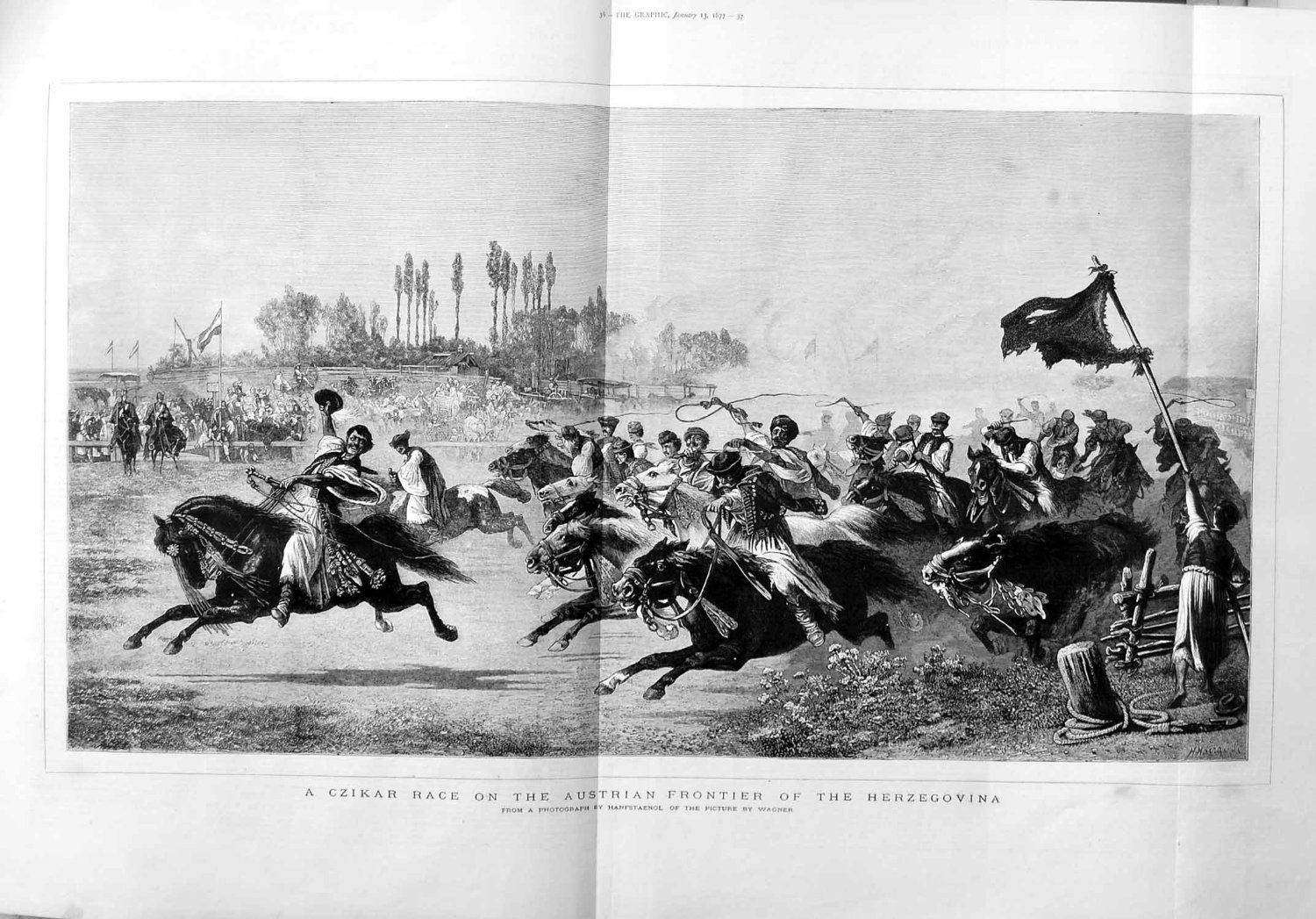
At Bratački Lug near Nevesinje, gatherings of prominent hosts from surrounding villages begin. The gathering was an opportunity for conversation, song, gusle, ganga, and measuring strength and skill. From the folk gatherings and horse training, the first galloping races develop.

19. vijek

First Gatherings at Bratački Lug

At Bratački Lug near Nevesinje, gatherings of distinguished hosts from surrounding villages begin. The gathering was an opportunity for conversation, song, gusle, ganga, and measuring strength and skill. From folk gatherings and horse training, the first galloping races develop.
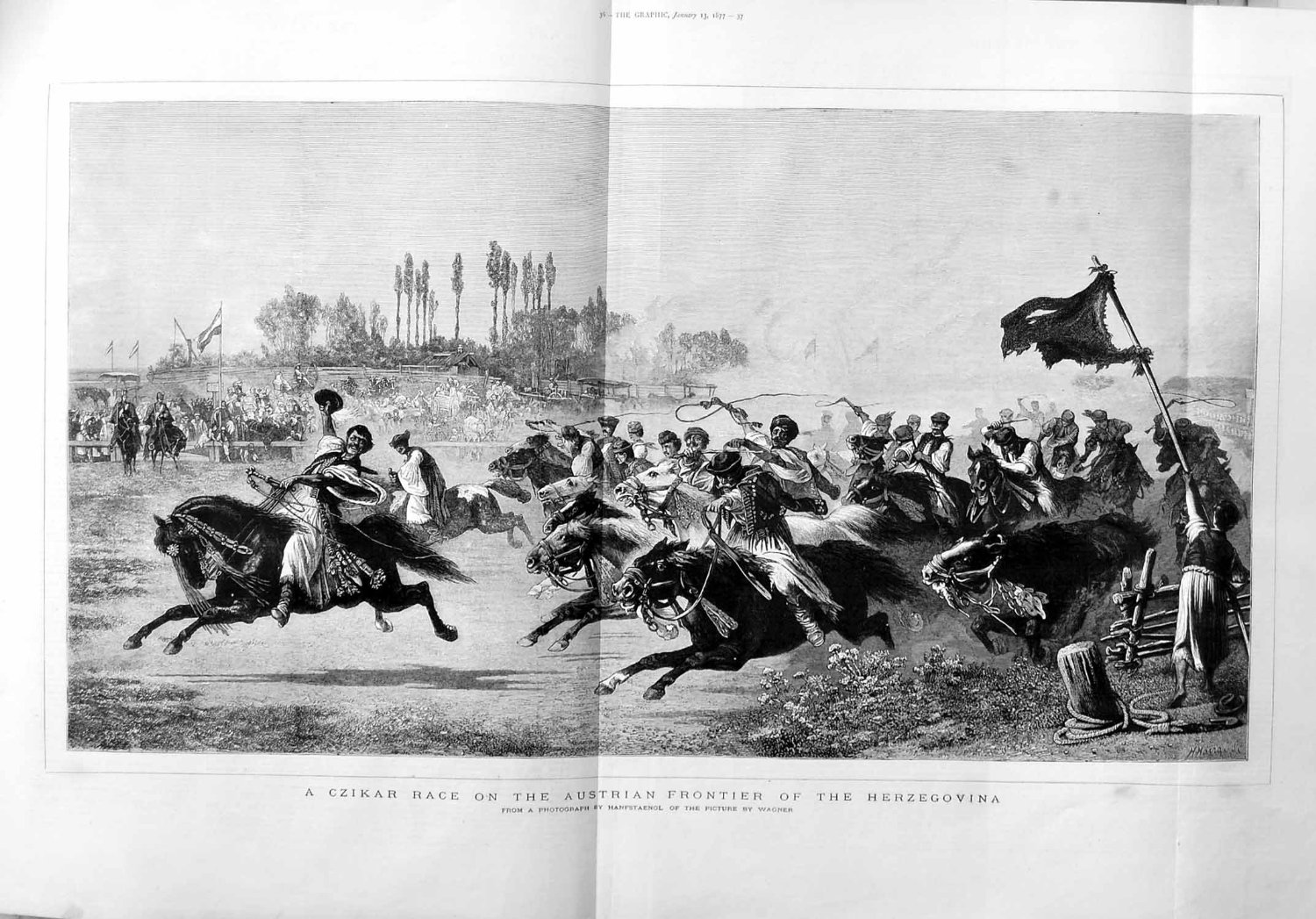
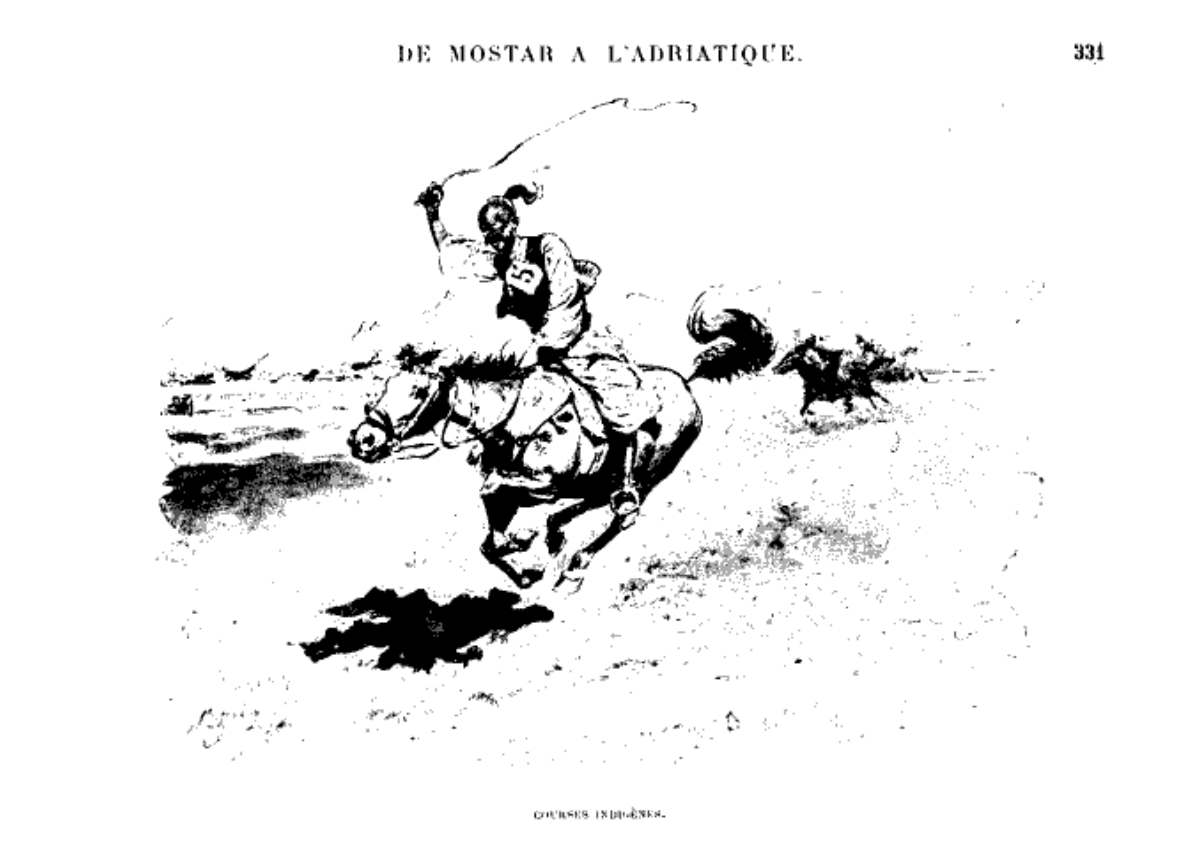
1884.

Support for the Development of Equestrian Sports

The Austro-Hungarian authorities in Nevesinje send stallions of Arabian blood with the aim of improving the breeding of thoroughbred horses. This period particularly influences the development of organized horse racing in the Nevesinje field.

1886.

First Gallop Races According to Developed World Rules

The first gallop races with clearer rules were held in the vast Nevesinje field. The races are becoming a favorite annual entertainment for the general public and bring great prestige to the participants.

1912.

End of the Austro-Hungarian Racing Period

The last horse races under the control of the Austro-Hungarian authorities were held in 1912, after which a long pause in the development of equestrian sports in Nevesinje ensued.

1934.

Serious organization and the Riders' Circle 'Njegoš-Zeta'

Serious organization of horse races with high cash prizes begins. Horse riding enthusiasts from Nevesinje establish the Riders' Circle 'Njegoš-Zeta', the first association of its kind in the Zeta Banovina. The association already had more than 80 members at the start.

1952.

First Post-War Folk Gathering

The first post-war folk gathering with horse races, traditional and knightly disciplines was held in Kosijerevo. The following year, the event returned to Bratački Lug, where it has been held to this day.

1954.

Record number of horses in the races

In four races, 30 horses participated, which is remembered as a special moment in the development of equestrian competitions. At that time, members of cultural and artistic societies also participated in the event, and the program was sometimes enriched by air shows.

1960-e

The name “Nevesinjska olimpijada” is born

Journalists and reporters from Bratački lug begin to use the name “Nevesinjska olimpijada”. The August gathering evolves into the most famous meeting place in Herzegovina, not only for horse lovers but also for everyone seeking entertainment, socializing, and a break from everyday life.

1966.

The Grand Race and the Prize that Attracted the Region

The winner of the Grand Race received a prize of 100,000 dinars, or about 8,000 dollars, which further interested horse breeders from outside the Herzegovina area.

1970-e

Golden Age of Attendance and First Sponsors

In the 1970s, the organization is taken over by the Municipal Conference of SSRN, the first sponsors appear, and the number of competitors and visitors grows significantly. On race day, columns of cars and buses filled the roads towards Bratački Lug.

1978.

More than 30,000 spectators

According to media reports, the central event in 1978 was attended by over 30,000 spectators. This record remains one of the most important indicators of the strength and popularity of Nevesinjska olimpijada.

1980-e

Old games receive modern tones

The event is expanding both in the number of participants and in the program content. Athletes and horse breeders from various regions of the former Yugoslavia are coming, and cultural, musical, and entertainment content is becoming an increasingly significant part of the Olympic days.

1994.

The Olympic Spirit Stronger Than Wars

After a four-year break caused by wartime events, the people of Nevesinje renewed their celebration of tradition and chivalry in 1994. Through the spirit of sports, messages of peace were sent from the event, and more than 5,000 spectators returned to Bratački Lug.

Od 1996.
Expansion of the Program

Expansion of the Program

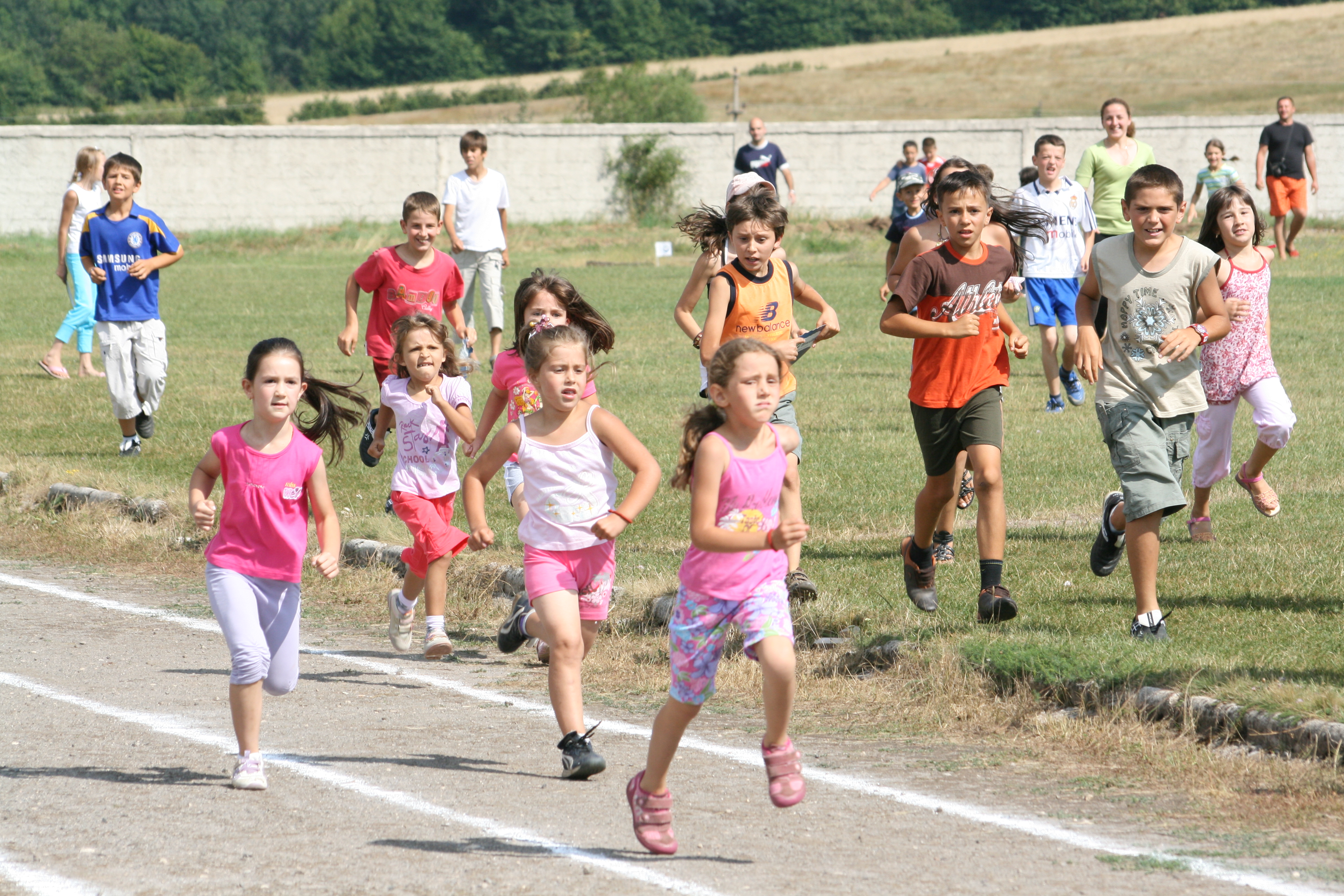
The program is significantly expanding. Competitions for chess players and young guslars are starting, the main athletic discipline becomes the half marathon, and the audience at Bratački Lug will see tug of war, arm wrestling, and log wrestling for the first time.

21. vijek

Sports and Cultural Festival of Regional Importance

Nevesinjska olimpijada is evolving into a multi-day event featuring sports, cultural, tourist, and entertainment activities. In addition to traditional disciplines and horse races, the program includes festivals, fairs, exhibitions, concerts, futsal, basketball, volleyball, tennis, athletics, mountain running, and other disciplines.

2026.

One Step Away from World Recognition

Nevesinjska olimpijada is on the path to the UNESCO Representative List of the Intangible Cultural Heritage of Humanity. The candidacy was initiated by the Municipality of Nevesinje, the Ministry of Education and Culture of the Republic of Srpska, and the Museum of Herzegovina, with a decision expected by the end of 2026.

Protection
UNESCO

Horse Races

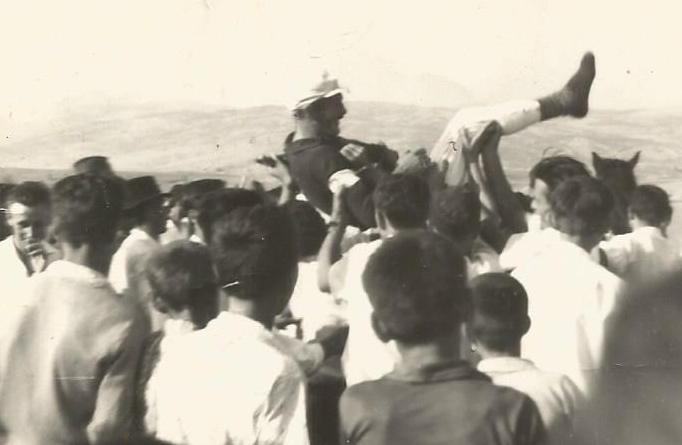
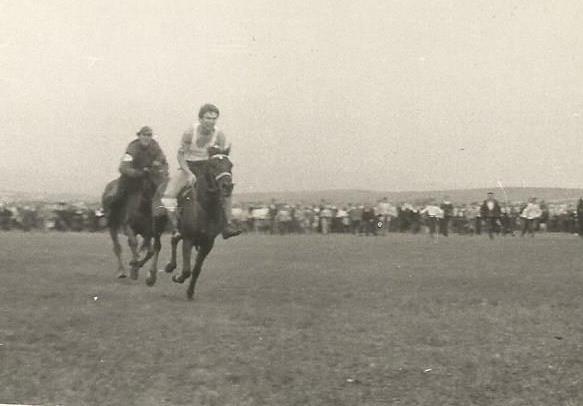
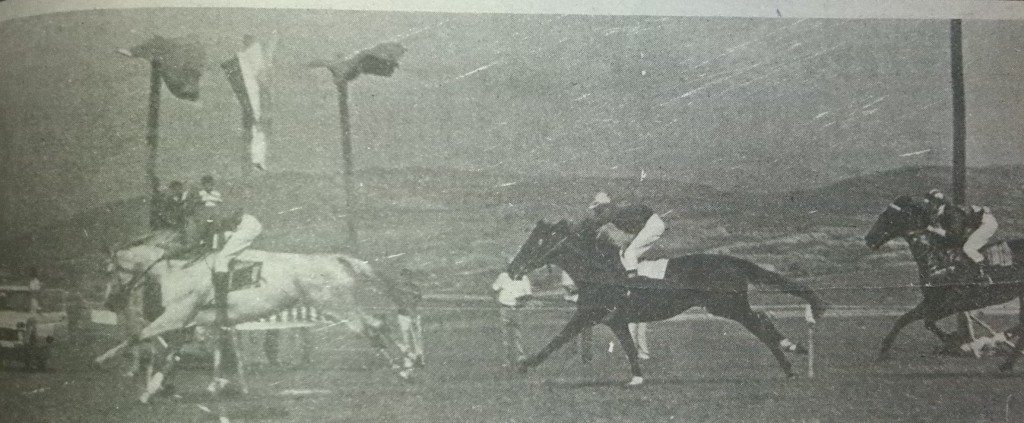
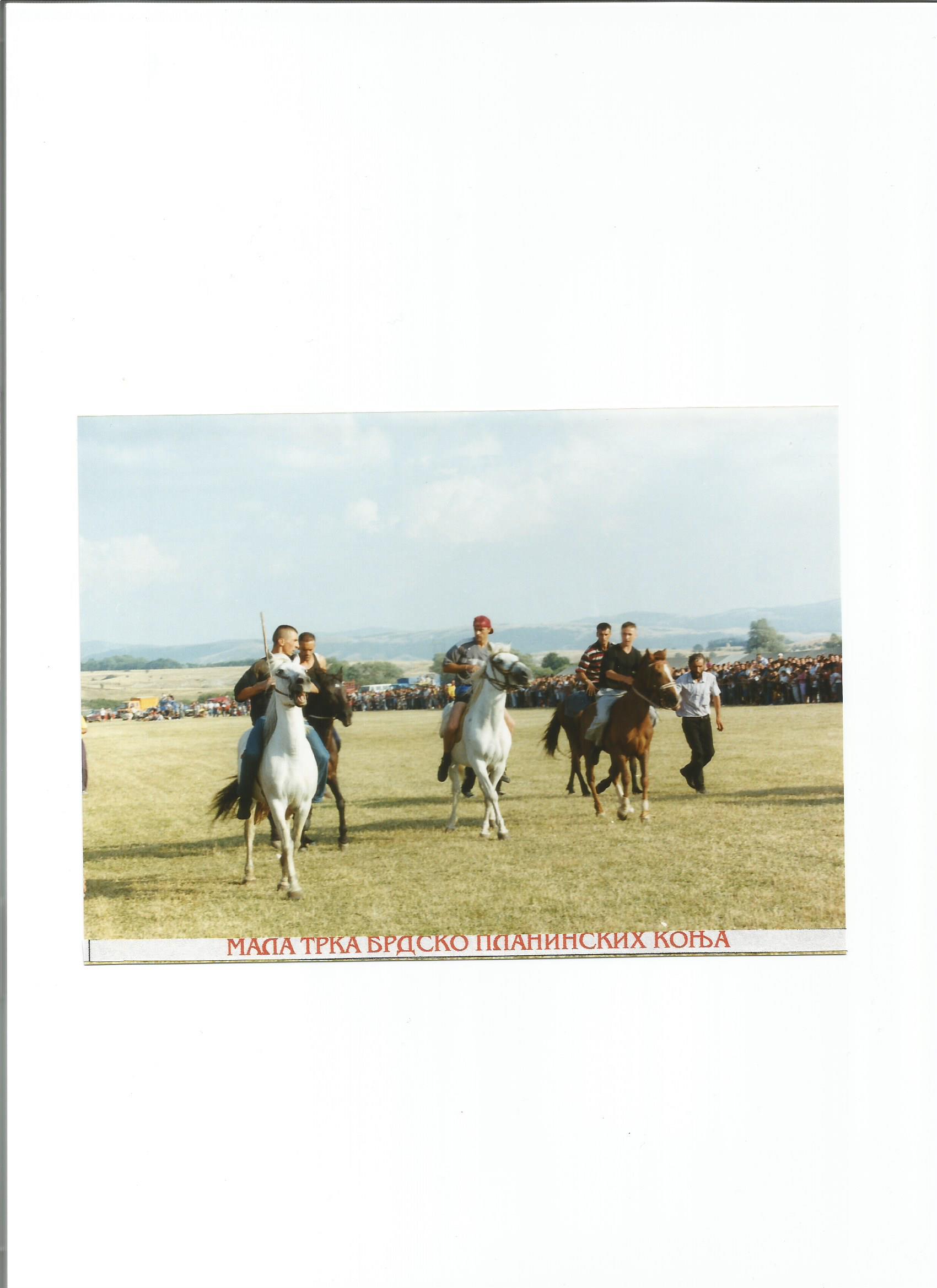
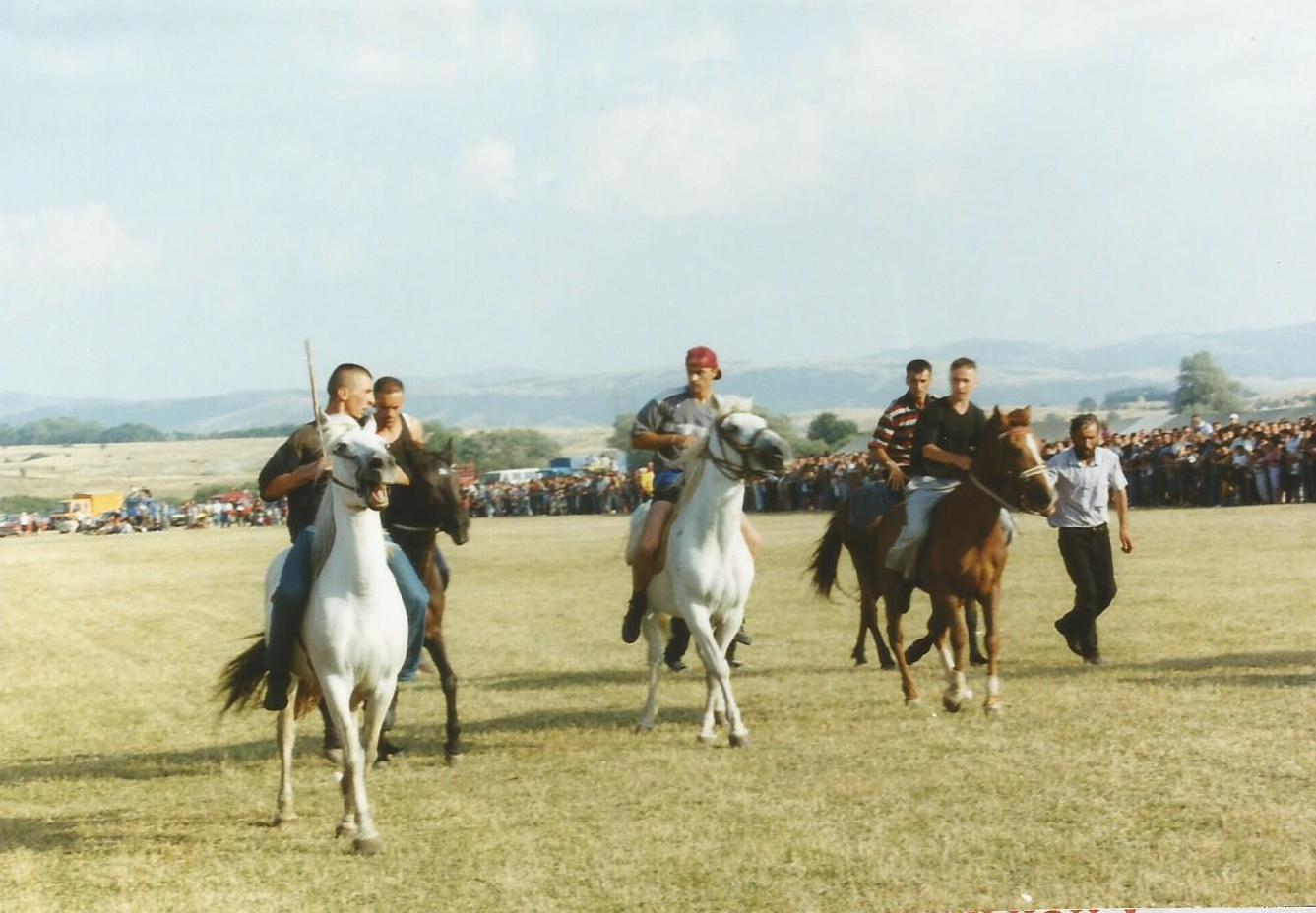
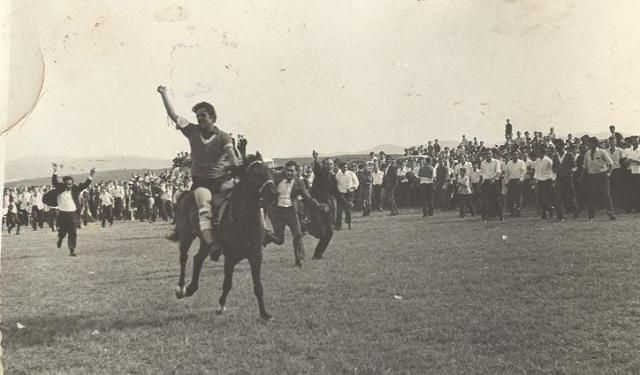
Horse races are the historical foundation and pinnacle of the Nevesinjska olimpijada. From the very beginning, they have been the most anticipated event of the gathering, and victory in the races brought immense honor to the owners and riders.

Brotherly grove / racetrack / audience.

Chivalric Disciplines

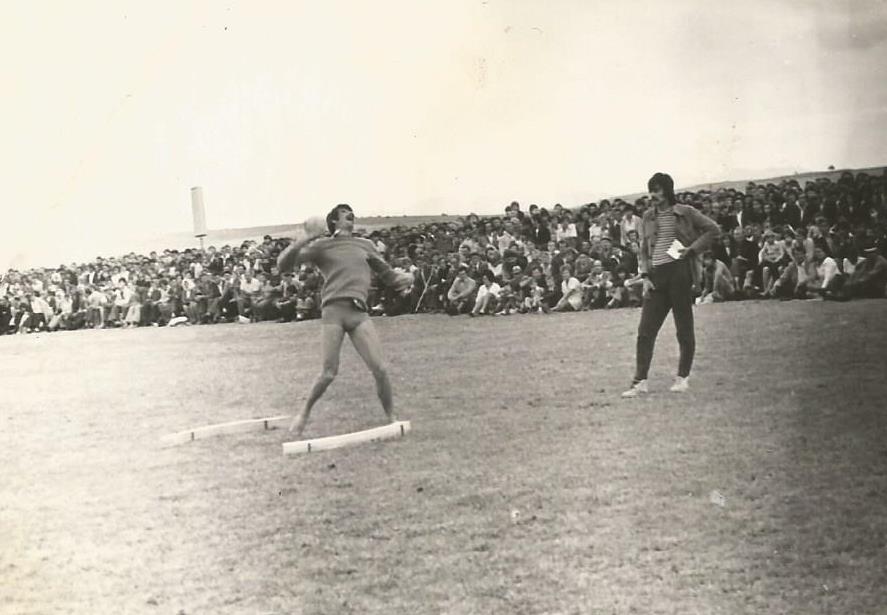
Stone throwing, tug of war, pole climbing, long jump, high jump, sack race, egg and spoon race, and log balancing preserve ancient folk skills from oblivion.

Chivalric Disciplines

People's Assembly

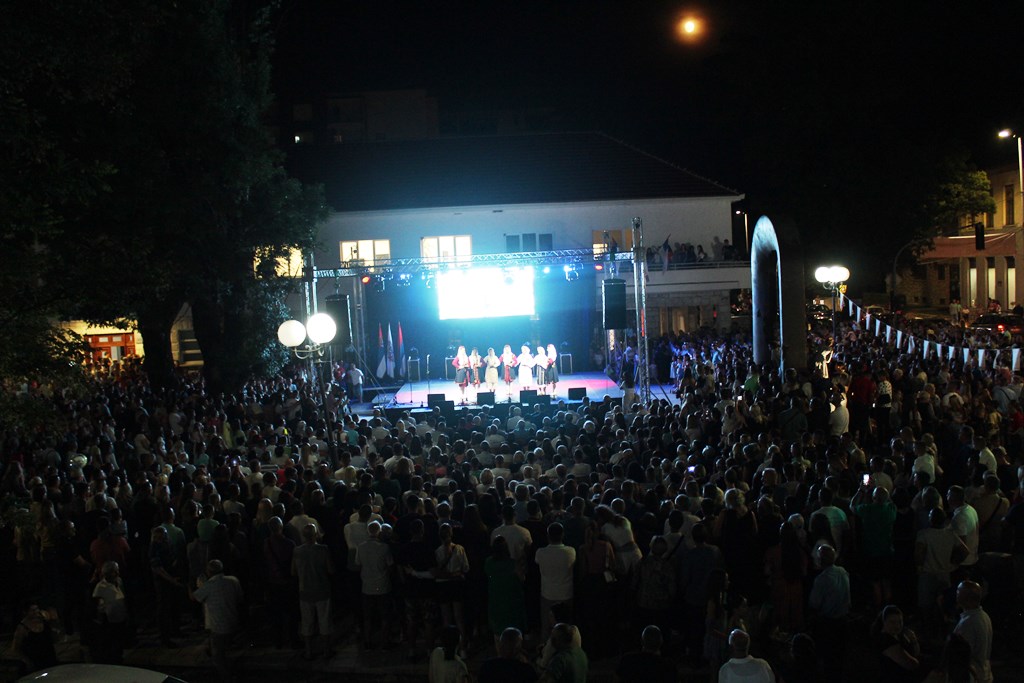
The Olympics is much more than a sports competition. It is a gathering place for families, friends, competitors, and people who return to Nevesinje every August.

Kud St. Dimitrije, gathering

Culture and Customs

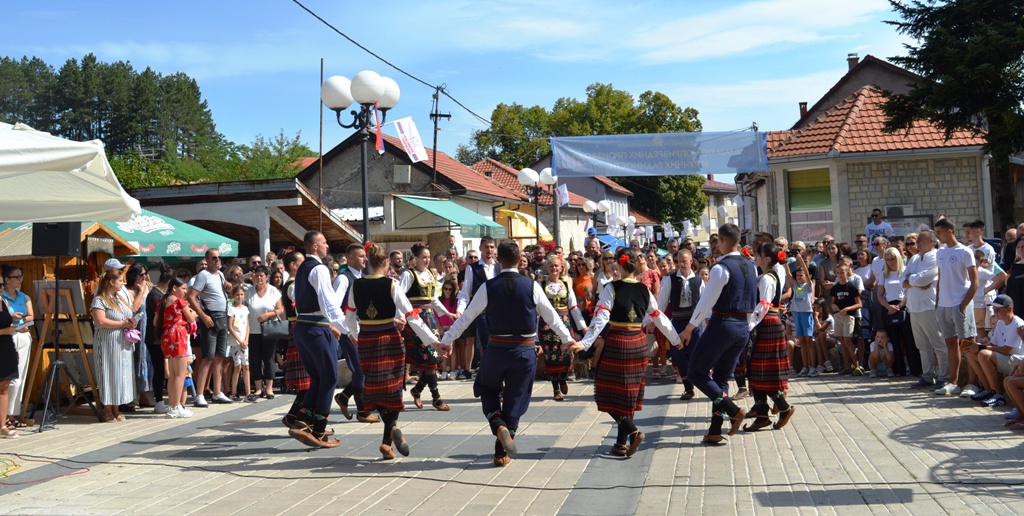
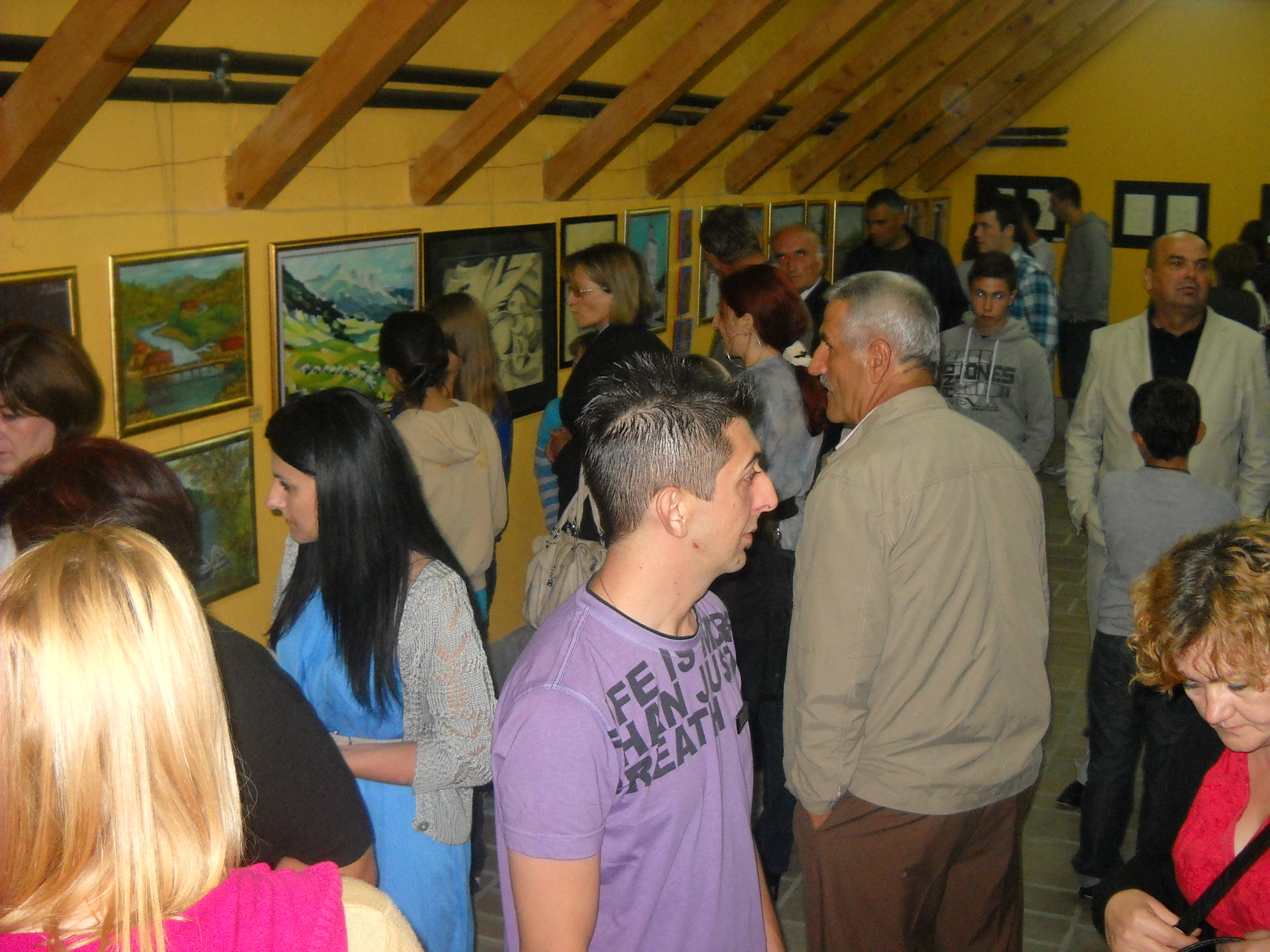
Gusle, ganga, folk dances, exhibitions, promotions, poetry evenings, and cultural programs give the event a deeper identity significance.

Culture and Customs
Herzegovinian Hospitality

Herzegovinian Hospitality

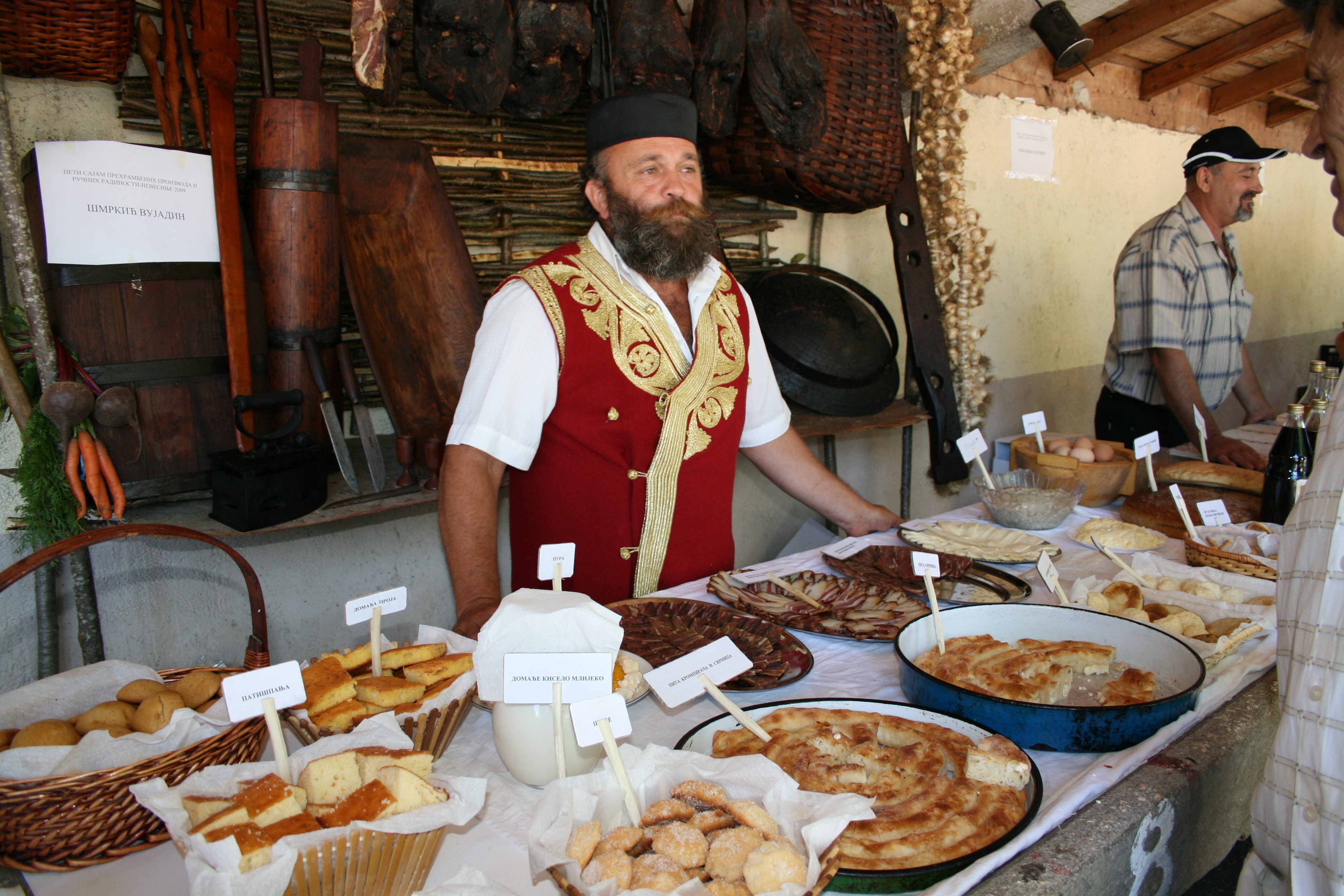
Homemade food, conversation, meetings, and the openness of the hosts make the Olympics an event that is not only seen but experienced.

From the People's Assembly to the Modern Festival

From the People's Assembly to the Modern Festival

Over more than 150 years of existence, Nevesinjska olimpijada has undergone a fascinating developmental journey. From a spontaneous one-day shepherd gathering and local village horse races, it has evolved into a multi-day sports and cultural festival of national significance.
What once was an informal display of strength among Herzegovina's heroes has over time expanded into a program that today encompasses more than 50 disciplines, from traditional knightly games and horse races to futsal, 3x3 basketball, beach volleyball, tennis, athletics, and the Velež Vertical mountain race. Alongside the sports program, cultural, tourist, and entertainment content, fairs, exhibitions, promotions, concerts, and programs for the youngest have developed.

In the Nevesinjska olimpijada live our ancestors, our customs, our pride, and our children.

This event is not just a memory of the past. It is a way to continue the tradition, for the youth to understand their roots, and for the Herzegovina spirit to be passed on to future generations.
Slika manifestacije

Significance for the Community

For the people of Nevesinje, the Olympics is much more than an event. It is a matter of family pride, local identity, and collective memory. During the Olympic days, the town takes on a special festive atmosphere, and many who originate from this area return to Nevesinje to be part of the event that connects them to their homeland.

01

Identity

Preserves old games, customs, songs, gatherings, and the knightly spirit.

02

Community

Brings together generations, families, competitors, guests, and people from the diaspora.

03

Tourism

Promotes Nevesinje, Herzegovina, local products, nature, and cultural heritage.

On the Path to World Recognition

Due to its centuries-long continuity and significance for the preservation of folk tradition, Nevesinjska olimpijada is on the path to the UNESCO Representative List of the Intangible Cultural Heritage of Humanity. The nomination shows that this event is not just a local sports competition, but a living model of preserving cultural identity through community, family, customs, ancient sports, and contemporary programs.

On the Path to World Recognition
Gallery Through Time
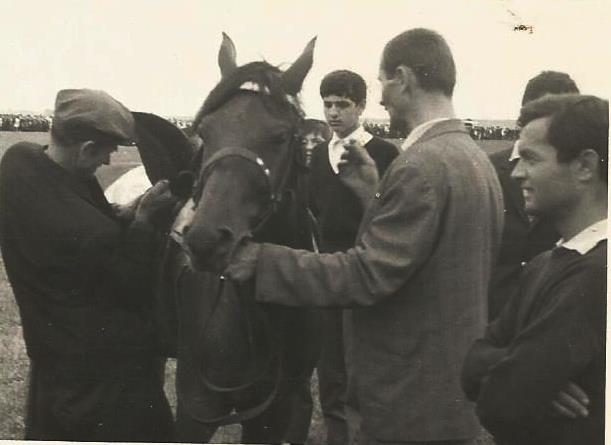
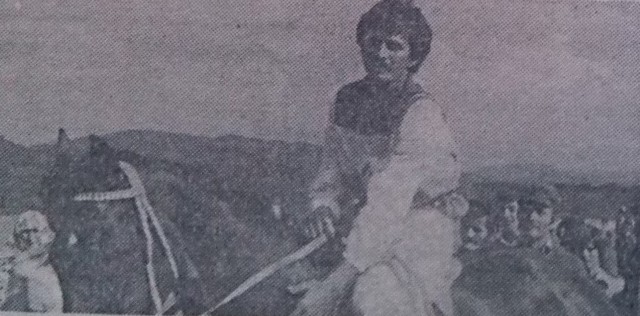
Gallery Through Time — From the first folk gatherings and horse races, through the large gatherings at Bratački Lug, to today's multi-day program — the history of Nevesinjska olimpijada is best understood through images of people, horses, the audience, customs, and the space where everything takes place.
According to oral tradition, the first forms of folk gatherings and knightly games are associated with the mid-19th century, while more organized records of horse racing appear after the Nevesinje rifle.
The central part is traditionally held at Bratački Lug near Nevesinje.
Horse races are the historical foundation and the most recognizable part of the event, around which the gathering originally developed.
The most famous are stone throwing, tug of war, pole climbing, sack racing, egg and spoon race, long jump, high jump, tug of the rope, and fighting on the log.
Bratački lug is the historical and emotional center of the Olympics, a place where for centuries sports, customs, the audience, and the Herzegovinian environment meet.
The main organizer is the Municipality of Nevesinje through the Organizing Committee, and the event is sponsored by the Government of the Republic of Srpska.